Attic Insulation Cost in 2026
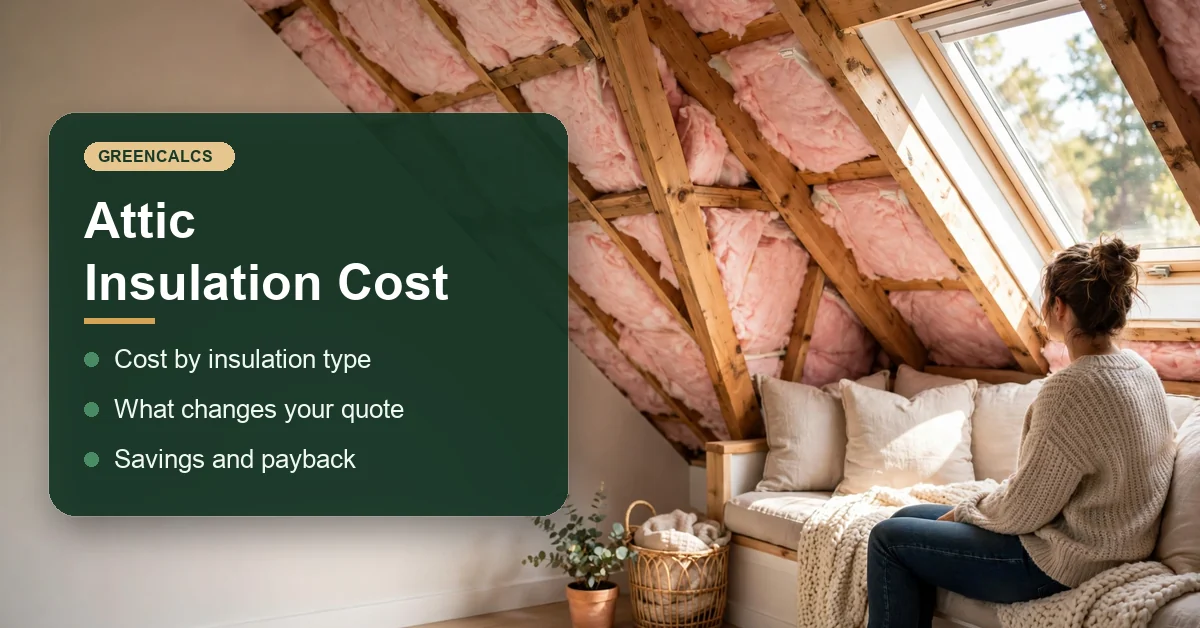
Your budget should also identify air sealing, ventilation work and any removal separately. A price for adding insulation over an existing layer describes a different job from clearing the attic and insulating the roof.
Reviewed by Sarah Chen, energy analyst
What does attic insulation cost per square foot?
Home Depot lists attic insulation installation at $1.50 to $2.45 per square foot. Request a written scope before comparing that benchmark with local bids.
The retailer names size, vent chutes, material and brand as cost factors. Check which preparation tasks your proposal includes. See Home Depot's published installation pricing.
How much would a 1,500 square foot attic cost?
Applying Home Depot's published rates to a measured 1,500 square foot installation area produces a calculated baseline of $2,250 to $3,675:
- Lower calculation: 1,500 square feet × $1.50 = $2,250.
- Upper calculation: 1,500 square feet × $2.45 = $3,675.
These totals illustrate that provider's rates. Ask whether your proposal includes preparation, removal, disposal, air sealing and taxes before treating the baseline as a complete project budget.
Measure the surface receiving insulation. A home's total living area is not automatically the attic installation area, especially when rooms occupy different stories or the proposal covers sloped roof surfaces.
What is the average price for blown in attic insulation?
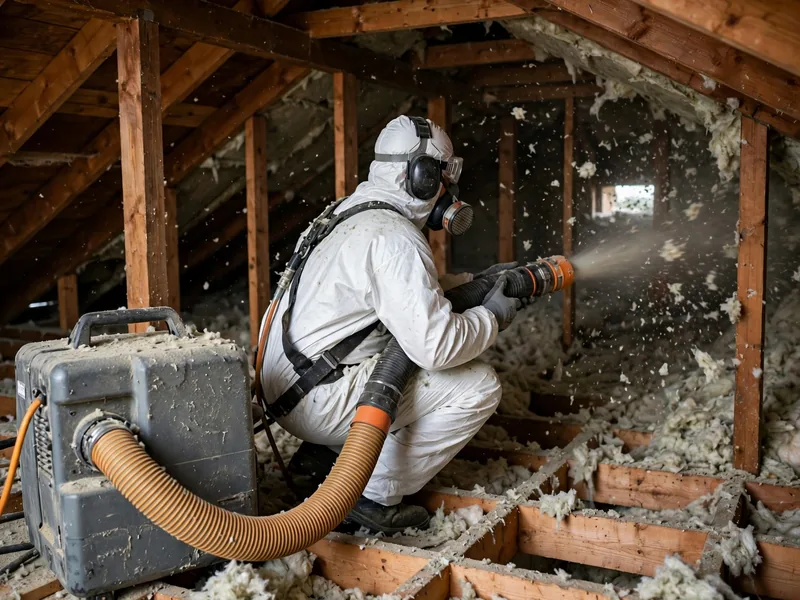
A useful blown in insulation price identifies the material, coverage area and insulation level being added. The verified Home Depot range above is a provider benchmark, not a confirmed national average specifically for blown in fiberglass or cellulose.
Ask contractors to price the same finished condition. A proposal to add material over existing insulation should describe both the existing layer and the intended result. A proposal starting from an empty attic should identify the full installation.
What should the labor cost to blow in insulation include?
Request a scope that separates material placement from preparation. Ask the bidder to identify who handles equipment setup, access protection, cleanup and documentation of the installed insulation.
A labor only price is most useful when you also know who supplies the material and equipment. Compare the complete amount payable for the same work, rather than choosing a bid because its labor line looks smaller.
For definitions when reading proposals, use the home energy glossary.
How much does spray insulation for an attic cost?
Spray foam is commonly estimated by board feet, so its unit price cannot be compared directly with a price per square foot of attic floor. South Central Services publishes estimating rates of $0.25 to $0.75 per board foot for open cell foam and $1.15 to $1.75 for closed cell foam.
Its spray foam cost worksheet calculates board feet by multiplying surface area by foam depth in inches, then multiplying by the applicable rate. These are that contractor's published estimating rates, not a verified national average for 2026.
Ask your installer to specify the foam product, application surface, depth and resulting R value. Compare roof applications with roof applications, rather than comparing a roof proposal against a ceiling top up.
Also request the product's ventilation and reoccupancy instructions before scheduling installation. The EPA's spray foam guidance says reoccupancy recommendations vary by product and directs readers to the manufacturer or supplier.
How do roof insulation and ceiling insulation costs differ?
Ceiling insulation and roof insulation cover different surfaces and can involve different attic designs. In a vented attic, the insulation boundary is typically at the ceiling; an unvented attic moves that boundary to the roof.
The Pacific Northwest National Laboratory comparison of attic designs explains that vented attics are generally less expensive to insulate and easier to retrofit. An unvented design can bring equipment into an insulated space, but requires careful air and moisture control.
What belongs in a conditioned attic quote?
Ask for a complete design and scope covering the roof surfaces, gable walls, existing ventilation openings and moisture control. PNNL's unvented attic guidance recommends verifying the installation method with the roofing contractor and local code officials.
For a Cape Cod attic or a room with sloped ceilings, ask the bidder to mark every boundary around the occupied space. This makes it easier to compare proposals that otherwise describe different parts of the attic.
Is attic flooring part of insulation installation?
Request a separate scope for storage decking or a walkway. Ask how the proposed flooring will coexist with the insulation and preserve access to equipment. Do not assume a quote for insulation includes a usable storage floor or approval for storage loads.
What affects the cost to air seal and insulate an attic?
Air sealing adds work beyond placing insulation, and the quote should identify the openings being sealed. DOE's attic checklist states that fibrous insulation is not an air barrier.
The DOE attic air sealing and insulation checklist calls for evaluating moisture, ventilation and combustion safety before proceeding. It also asks contractors to state whether existing insulation will be removed or moved aside for sealing.
Use the inspection to turn a broad proposal into an agreed scope:
- Ask which gaps and penetrations will be sealed.
- Ask how the attic hatch will be insulated and sealed.
- Identify repairs that must happen before installation.
- Request photographs of preparation before new material covers it.
- Agree on the completion documents you will receive.
Treat preparation as part of the bid comparison. A low material placement price is difficult to assess if another proposal also includes the work needed before placement.
What affects attic baffle installation cost?
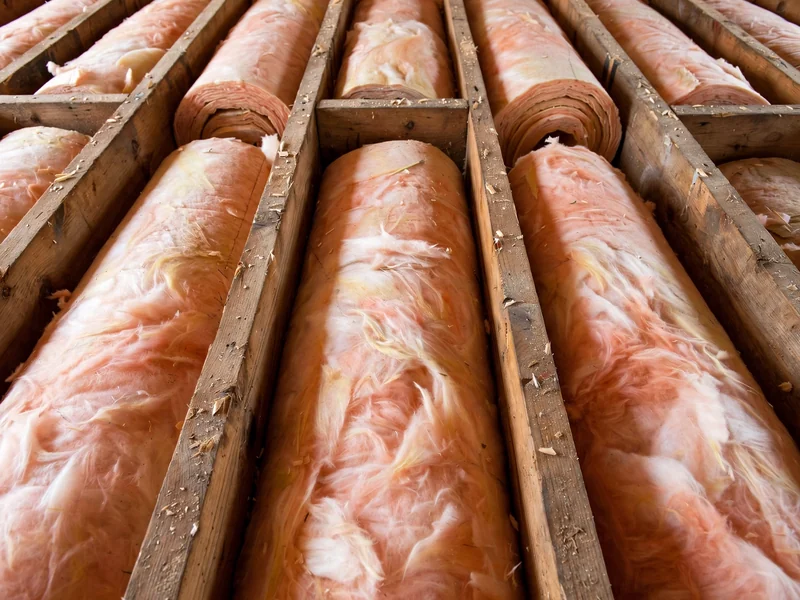
Baffle installation cost depends on the ventilation work included in your proposal. For a vented attic, ask the contractor to identify the required rafter vents and price their installation explicitly.
DOE's attic installation checklist calls for baffles at eaves adjoining vented soffits to keep a ventilation path open.
Request a quantity and location list. Ask whether the price covers new baffles, repairs to existing channels or other ventilation work. This gives you a concrete way to compare bids without relying on an unverified national price per baffle.
How much does removing old attic insulation add?
Removal requires a separate price, but replacing all existing insulation is not automatically necessary. ENERGY STAR says new insulation can usually go over an existing layer unless it is wet, moldy, smelly or contains animal waste.
Ask a contractor recommending full removal to document the reason. Request separate lines for removal, disposal, any cleanup and replacement so you can see what the recommendation adds.
What if the attic contains vermiculite or asbestos?
Leave suspected vermiculite undisturbed and hire a professional asbestos contractor for work that would disturb it. The EPA's vermiculite guidance says homeowners should assume vermiculite may contain asbestos and should not remove it themselves.
Keep that assessment separate from a routine insulation top up. Ask the specialist to define the handling and removal scope before seeking replacement insulation bids.
What does a radiant barrier cost to install?
A radiant barrier needs its own material and labor quote. Ask the installer to state the coverage area, installation method and access requirements so the proposal can be assessed separately from thermal insulation.
DOE's homeowner insulation guide describes radiant barriers as an option for hot, sunny conditions and says they should not contact attic floor insulation. A foil installation and a bulk insulation upgrade perform different jobs.
Ask the bidder to explain why a barrier suits your attic, how it will be installed and what supports any projected savings. Compare that recommendation with addressing air leaks and existing insulation first.
How do R38 and R60 affect insulation price?
R38 and R60 describe thermal resistance, not a fixed material price or universal installation depth. Compare proposals using the same specified performance and distinguish insulation being added from the attic's resulting total.
ENERGY STAR's recommended insulation levels depend on climate and existing insulation. For example, its table lists R60 for an uninsulated attic in climate zones 4A and 4B. That recommendation is not a substitute for checking local requirements.
Ask for the product's coverage chart and installed thickness. The same target R value can require different quantities of different products. When comparing an R38 insulation cost per square foot with an R60 proposal, request matching alternatives before deciding which is better value.
Is DIY attic insulation cheaper than professional installation?
DIY work can reduce what you pay for installation, but your budget still needs materials, equipment, preparation and protective supplies. ENERGY STAR describes attic insulation as a moderately difficult DIY project and recommends air sealing first.
Its attic insulation project guide advises considering access and ease of movement when deciding whether to hire a contractor.
For Home Depot or Lowe's material shopping, compare the bag or roll coverage at your intended R value. Ask the store for current local pricing and equipment terms. Do not assume a bag covers the same area at every insulation level or that blower rental is included.
Write your shopping budget as materials plus equipment plus preparation supplies plus delivery and applicable taxes. Then compare it with a professional proposal covering the same result.
What attic insulation cost savings should you expect?
Expected savings should come from an assessment of your home and the work being proposed. A general savings percentage cannot establish the payback for your attic alone.
EPA estimates average heating and cooling savings of 15% from a combined package of home air sealing and insulation in attics, floors over crawl spaces and accessible basement rim joists. Its savings methodology describes modeled improvements to typical homes. The estimate is not specific to attic insulation by itself.
Ask an assessor to separate the projected benefit of attic work from other recommended upgrades. Divide your confirmed net project cost by the assessed annual dollar savings to compare simple payback.
Is there a federal insulation tax credit in 2026?
No. The IRS instructions for Form 5695 state that the energy efficient home improvement credit is unavailable for expenditures or property placed in service after December 31, 2025.
Check your utility's current insulation offers before work begins. ENERGY STAR recommends contacting the utility in advance, since local incentives may be available. Ask about approval requirements rather than deducting an assumed rebate from your budget.
Which calculators should you use after planning attic insulation?
Use the existing heat pump calculators if attic improvements are part of a heating and cooling project. Bring the planned insulation scope into that discussion so equipment decisions reflect the intended home improvements.
Choose the next step that matches your decision:
- Use the heat pump size calculator for preliminary sizing planning.
- Compare equipment budgets with the heat pump cost calculator.
- Explore operating costs with the heat pump savings calculator.
Read the heat pump sizing guide before selecting equipment, and the heat pump guide for older homes when planning a wider retrofit. Keep the attic contractor's measured scope alongside those estimates.