Heat Pump vs AC: Which Should You Choose?
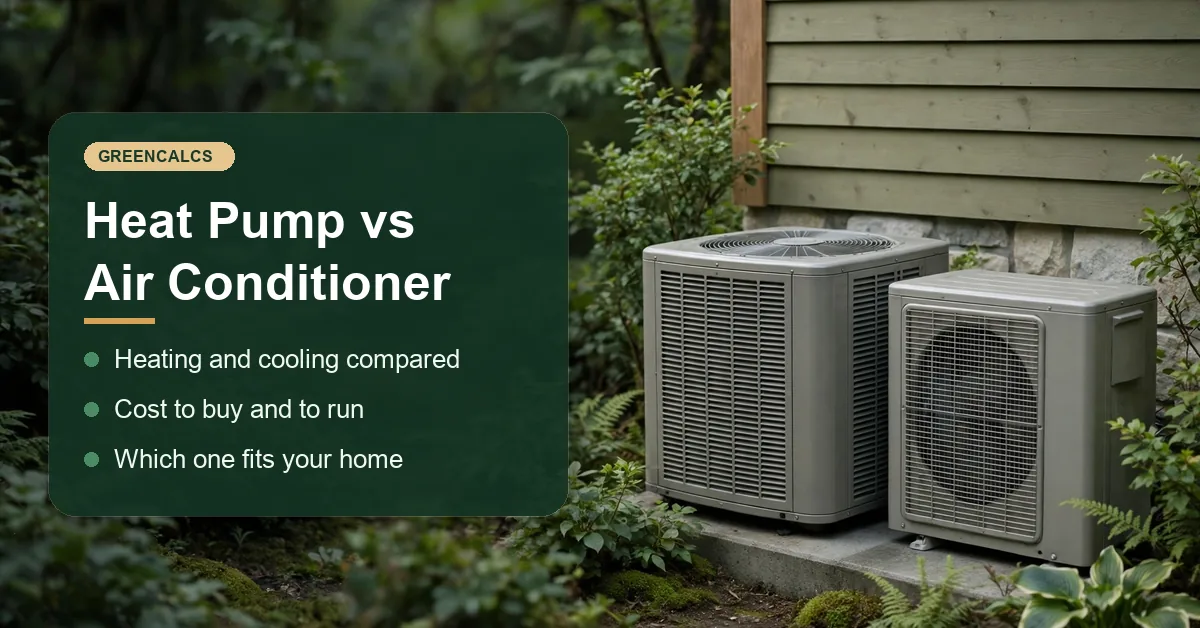
Choose by comparing the equipment you would actually replace. If your furnace and AC both need replacement, price a complete heat pump system against a furnace plus AC. If your heating system is working well, compare keeping it with replacing it, including installation work and expected energy bills.
Reviewed by Sarah Chen, energy analyst
Heat pump vs AC: What is the difference?
A heat pump can reverse its operation to provide heating, while a conventional AC removes heat from your home to provide cooling. Both use refrigerant to transfer heat.
During cooling, indoor heat moves outside. During heating, an air source heat pump extracts heat from outdoor air and transfers it indoors. A reversing valve changes the refrigerant flow so the equipment can switch functions.
This guide compares residential air source heat pumps with conventional home air conditioners. Water heating and geothermal systems involve different equipment and installation decisions.
The practical distinctions are:
- Cooling: Both provide air conditioning.
- Heating: A heat pump provides heating through its refrigeration cycle. A conventional AC needs separate heating equipment.
- Distribution: Either may connect to ducts, depending on the system design.
- Selection: Cooling efficiency matters for both. Heating performance also matters when choosing a heat pump.
The heat pump label tells you the system's function. It does not, by itself, tell you how much cooling electricity it will use or whether it can meet your home's winter heating load.
Heat pump vs central air: Can either use ducts?
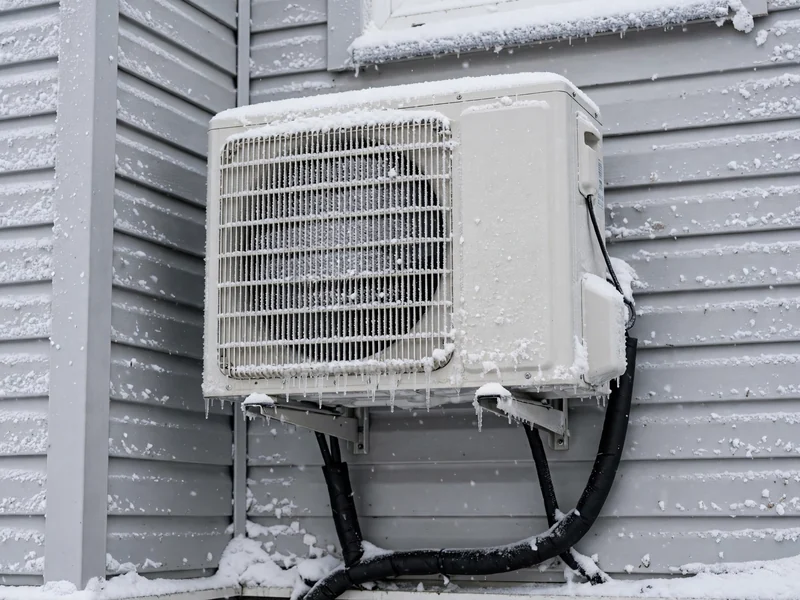
A ducted heat pump can provide central heating and cooling through a home's ductwork. Central air usually refers to a central air conditioning system, which distributes cooled air but relies on separate equipment for heat.
Existing ducts may be usable with a heat pump, but the installer must assess their size, condition and airflow. Having ducts already does not establish that they are suitable for the proposed equipment.
For a meaningful central AC vs heat pump comparison, ask each contractor to cover the same rooms and address the same comfort problems. A proposal that leaves an uncomfortable bedroom unresolved is different from a proposal that includes duct corrections.
Use the heat pump sizing guide to prepare for the contractor's heating and cooling load calculation.
Heat pump vs forced air: What do these terms mean?
A heat pump is a type of heating and cooling equipment, while forced air describes how conditioned air moves through a home. A ducted heat pump is itself a forced air system.
A furnace can also use forced air. The distinction is where the heat comes from: a heat pump transfers heat, while a fuel burning furnace produces heat through combustion. Both can use a blower and ducts to deliver warm air.
HVAC means heating, ventilation and air conditioning. It is the broad system category, so a heat pump is HVAC equipment too. When requesting proposals, specify the functions and rooms you want covered rather than asking for “HVAC instead of a heat pump.”
Air handler vs heat pump
An air handler is the indoor equipment that moves air across a coil and into the distribution system. It can be part of a heat pump installation. The outdoor unit, indoor equipment and controls must work together as a compatible system.
Condensing unit vs heat pump
A condensing unit usually refers to the outdoor equipment in a split AC system. A heat pump also has outdoor equipment, but its coils change roles between heating and cooling. Appearance alone is not a reliable way to identify the system; check its model documentation.
Heat pump vs mini split: Are they different systems?
A mini split heat pump is a heat pump arranged as connected outdoor and indoor units, commonly without distribution ducts. Comparing “heat pump vs mini split” usually means comparing a ducted heat pump with a ductless heat pump.
Ductless indoor units deliver heating and cooling directly to the spaces they serve. This can suit homes without ducts, additions, or rooms that need separate temperature control.
Ask how the proposed layout will serve bedrooms with closed doors and spaces far from the indoor units. Do not assume equipment in a hallway will condition every nearby room adequately.
For the layout decision, read the ducted vs mini split heat pump guide. When a quote says only “split system,” confirm whether it includes heating: split describes the equipment arrangement, not its full capabilities.
Are heat pumps more efficient than air conditioners?
A heat pump is not automatically more efficient than an air conditioner at cooling. Compare the specific systems' SEER2 ratings for seasonal cooling efficiency, then assess the heat pump's heating performance separately.
SEER2 describes seasonal cooling output relative to electricity use under standardized testing. HSPF2 describes seasonal heating output relative to electricity use for heat pumps. Higher ratings indicate greater efficiency within the same rating metric.
Do not compare a heat pump's heating rating with an AC's cooling rating. They describe different jobs. Also request ratings for the proposed indoor and outdoor equipment combination.
Will a heat pump cool as well as an AC?
A properly selected heat pump can provide home air conditioning. Comfort depends on capacity, airflow, installation and humidity control as well as the efficiency rating.
Oversized equipment can cycle too frequently and leave humidity problems. Ask for a load calculation rather than selecting a larger unit as a precaution. The SEER2 and HSPF2 explanation covers the ratings in more detail.
Heat pump vs air conditioner cost: What should you compare?
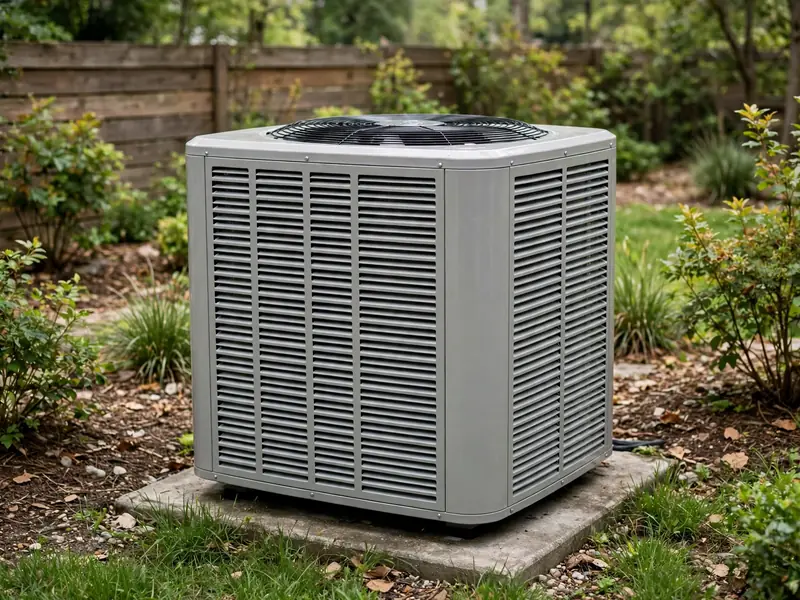
Compare the full installed price of systems that meet the same heating and cooling needs. An AC replacement quote and a heat pump quote may include different indoor equipment, electrical work and heating provisions.
Request itemized proposals covering:
- Outdoor equipment and compatible indoor equipment.
- Controls and thermostat.
- Duct repairs or modifications.
- Electrical work required by the proposed installation.
- Backup heating, if the design requires it.
- Removal of existing equipment.
- Permits, installation labor and commissioning.
- Labor coverage, equipment warranty and maintenance requirements.
Ask contractors to mark exclusions explicitly. If duct corrections appear in the heat pump quote, ask whether the AC alternative also needs them. Otherwise, the comparison may attribute necessary home improvements to the heat pump alone.
Existing equipment also changes the decision. Keeping a serviceable furnace avoids replacing it immediately. When the furnace also needs replacement, include that replacement in the AC alternative.
Begin with the heat pump cost calculator, then reconcile the planning estimate with itemized local proposals.
What changes for a 2026 installation?
The federal Energy Efficient Home Improvement Credit is unavailable for heat pumps or central AC placed in service after December 31, 2025. Do not deduct that expired credit from a new 2026 installation quote.
The IRS Form 5695 instructions confirm this cutoff. Review the heat pump tax credit guide when checking a proposal that still advertises federal tax savings. Ask for documentation of any other incentive included in the price before treating it as confirmed.
Heat pump vs AC monthly cost: Which costs less to run?
Cooling cost depends on the specific equipment, your cooling needs and your electricity tariff. Total annual cost also depends on how the heat pump's heating consumption compares with the heating system it replaces.
Separate the comparison into cooling and heating. For cooling, compare efficiency ratings and estimates based on the same home and weather assumptions. For heating, include local electricity and fuel prices, equipment performance and expected backup heating use.
A heat pump may increase winter electricity consumption while reducing fuel purchases. Looking only at the electric bill can therefore misrepresent the result. Compare the combined heating and cooling costs, including any fuel account you would retain.
Ask the contractor to explain these assumptions:
- Which current heating and cooling equipment is the baseline?
- Which local utility rates were used?
- How was the home's heating demand estimated?
- How often is backup heat expected to operate?
- Which charges remain if the existing fuel connection stays active?
Use the heat pump savings calculator as the next planning step. Keep the comparison consistent with the equipment you intend to keep or remove.
Heat pump vs AC and furnace: Should you replace both?
Compare replacing both when your cooling and heating equipment need replacement together. If the furnace remains serviceable, also request an option that keeps it and pairs it with compatible cooling or heat pump equipment.
A heat pump paired with a furnace is commonly called a dual fuel system. Its controls determine when each heating source operates. Ask the installer to document the proposed operating strategy and explain how it reflects local conditions and energy prices.
The heat pump vs furnace and gas boiler guide addresses heating equipment choices. The dual fuel heat pump guide covers retaining a furnace alongside a heat pump.
Before accepting a proposal, make sure it states whether the furnace is retained, replaced or removed. Those are different projects with different costs.
Will a heat pump work in your climate?
A heat pump can provide heating in cold climates when its performance and capacity match the home. The installer must compare heating output at local winter design conditions with the home's heating load.
A cooling efficiency rating does not establish winter capability. Ask for the manufacturer's heating performance data and a written explanation of any backup heating requirement. Cold climate designation is useful evidence, but it does not replace sizing for your house.
For colder locations, use the cold climate heat pump guide to prepare questions. Have the installer account for planned insulation or air sealing work before finalizing equipment selection.
Which calculator should you use next?
Use the cost calculator for the installation budget, the savings calculator for operating costs, and the size calculator for an initial capacity estimate. Bring those estimates to a contractor who can assess the actual home.
The heat pump size calculator is a starting point before professional load calculations. For the wider purchase decision, read whether a heat pump is worth it.