Induction vs Gas Stove: Costs, Efficiency and Cooking
Reviewed by Sarah Chen, energy analyst
01Induction vs gas stove: which should you choose?
Choose induction if your priorities are efficient cooking, responsive heat and avoiding an open flame. Choose gas if flame cooking matters enough to outweigh induction’s efficiency and indoor combustion advantages.
Treat the choice as a kitchen project rather than an appliance swap. Before deciding, compare the complete installed price, test your favorite pans and ask for a cooking demonstration.
Induction: Electricity creates a magnetic field that heats compatible cookware directly. It requires magnetic cookware, so check your existing collection before budgeting for replacements.
Gas: A flame heats the pan. It provides a visible indication of burner output, which may matter if you rely on that cue when adjusting heat.
Radiant electric: A heating element warms the cooking surface, which transfers heat into the pan. It belongs in the comparison if you want electric cooking without requiring magnetic cookware.
02What is the difference between induction and electric stoves?
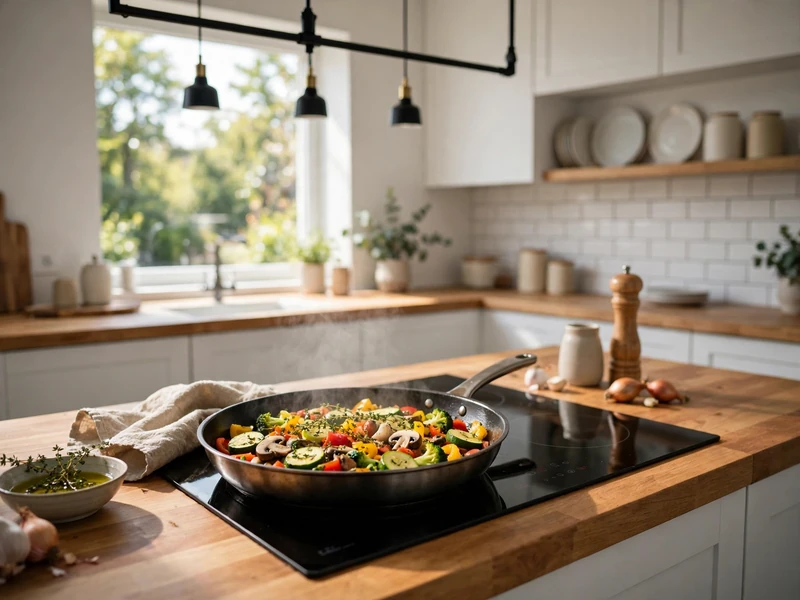
Induction is a type of electric cooking; the usual comparison is induction against radiant or coil electric stoves. Induction generates heat within compatible cookware, while conventional electric elements transfer heat into it.
Induction vs glass top or ceramic cooktops
Glass top and ceramic describe the surface rather than the heating method. Both induction and radiant electric products can have a smooth glass or ceramic surface.
A ceramic coated pan is a separate issue. Its coating does not tell you whether its base works with induction. Test the base with a magnet and follow the cookware maker’s guidance.
Induction range vs electric range
Compare the cooktop and oven separately when choosing a range. Induction describes the surface cooking technology; convection describes an oven feature that circulates hot air.
Do not assume that an induction cooktop efficiency figure describes the entire appliance. If you bake often, compare oven capacity, controls and cooking functions alongside the surface burners. If you already like your separate oven, consider whether replacing only the cooktop meets your goal.
03Is induction more efficient than gas?
Yes, induction transfers a greater share of heating energy into cooking than gas. ENERGY STAR says about 85% reaches what is in the cookware with induction, compared with about a third for gas.
These are cooking energy transfer figures, not a promise about your utility bill. Your bill also reflects fuel prices, cooking habits and other appliances.
Induction also releases less wasted cooking heat into the kitchen. That is a practical comfort benefit when you spend time at the stove, but this guide does not assign it a cooling cost saving.
For induction cooktop vs electric power consumption, compare energy used for the same cooking task. A burner’s maximum power rating alone cannot tell you what a meal costs: operating time and the selected setting also matter.
04What does induction vs gas cost to buy and run?
Compare the complete installed price and your local running costs before choosing a stove. Induction’s efficiency advantage does not establish a universal dollar saving over gas.
Appliance price and installation
Samsung’s US buying guide lists induction range price bands around $1,000 to $1,200, with other options above $1,200. These are manufacturer appliance price bands, not a national installed cost estimate or a guaranteed selling price.
Ask for an itemized quote covering the appliance, delivery, electrical work, gas disconnection, any countertop changes and removal of the old unit. Obtain a comparable gas quote if that remains an option.
Keep optional features separate. Comparing a basic gas range with an induction model that adds premium oven functions will not isolate the cost of changing cooking technology.
Electricity, gas and service charges
For a household comparison, calculate:
Induction running cost = cooking electricity used in kWh × your applicable electricity price per kWh.
Gas running cost = cooking gas used in your billed unit × your applicable gas price per unit.
Use the same period and comparable cooking activity. Include usage based delivery charges and taxes when they apply. Keep unrelated household consumption out of the comparison.
Ask your utility whether a fixed gas service charge would disappear if you close the account. Do not count that saving if your furnace, water heater or another appliance will keep gas service active.
If you are assessing the extra investment, use:
Simple payback = additional installed cost ÷ annual net bill savings.
This comparison has no positive savings payback when annual net savings are absent. You may still value cleaner kitchen air, different controls or easier cleaning, but assess those benefits separately.
05Is induction better than gas for cooking control?
Induction provides fast, responsive heating without relying on a flame. Gas provides a visible flame cue, so the better cooking experience depends partly on how you prefer to judge and adjust heat.
Try tasks you actually perform: bring water to a boil, reduce a sauce to a simmer and adjust a frying pan’s heat. Ask the demonstrator to use cookware similar to yours.
Check how the controls feel with a pan in place. Can you see the display, reach the settings comfortably and make small adjustments without moving cookware? Those questions are more useful than comparing feature names.
Bring measurements of your largest skillet and stockpot. Ask whether the cooking zones suit their bases and whether your usual pans fit together comfortably.
GE Appliances says humming or buzzing during induction cooking can be normal and can vary with cookware and settings. Listen during the demonstration if appliance noise bothers you. Evaluate the actual model rather than assuming every induction stove sounds alike.
06Is induction better for indoor air quality?
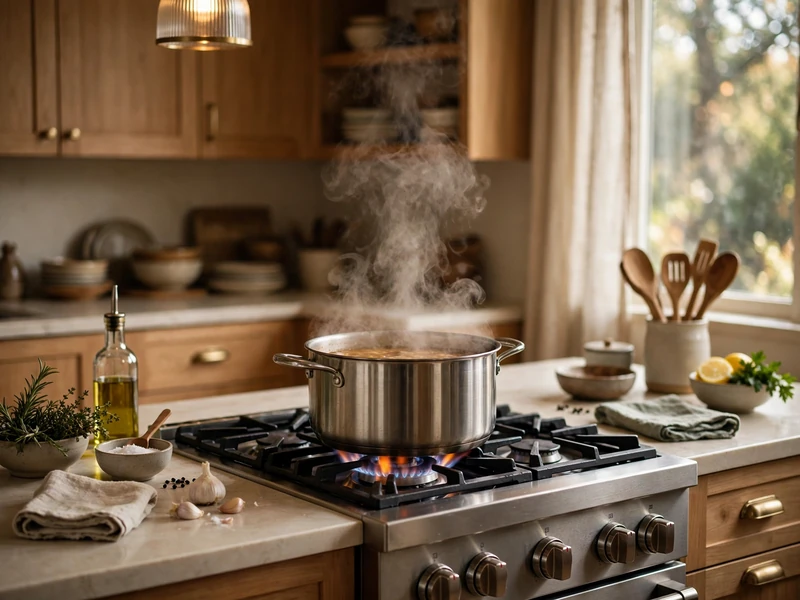
Induction removes the gas combustion source at the stove, but cooking food still produces airborne particles. Use effective kitchen ventilation with induction, radiant electric or gas.
EPA identifies gas stoves as an indoor nitrogen dioxide source and recommends an exhaust fan vented outdoors over gas stoves. Proper appliance installation and maintenance also matter.
Health Canada explains that activities such as frying and broiling produce particulate matter regardless of whether the stove uses gas or electricity. Replacing gas therefore addresses combustion emissions without eliminating the need to capture cooking fumes.
Before buying, check where your range hood exhaust goes and how well it covers the cooking area. Include ventilation in your kitchen assessment instead of treating it as an optional accessory.
Induction also avoids an open flame, but hot cookware can transfer heat back into the glass. Let the surface cool before cleaning and follow the appliance’s hot surface warnings.
07What should you check before replacing a gas stove with induction?
Confirm the electrical requirements, cookware compatibility and installation scope before ordering. Arrange professional gas disconnection as part of the conversion.
Electrical supply and fit
Most full size induction ranges require a dedicated 240 volt electrical circuit. Have an electrician check the selected model’s installation instructions, existing circuit and service capacity.
Do not assume a panel replacement is necessary simply because you are changing fuels. Ask the electrician to explain the specific work required and separate it from optional upgrades. If a smart panel is proposed, review the SPAN electrical panel guide before deciding whether its features meet your needs.
Measure the appliance opening and check the manufacturer’s clearance requirements. For a separate cooktop, confirm the countertop cutout before purchase. Request written confirmation of fit rather than relying on the advertised appliance width.
Cookware compatibility
A magnet sticking firmly to a pan’s base is a useful induction compatibility check. Cast iron and some stainless steel cookware work; aluminum, copper and glass generally need an induction compatible magnetic base.
Test your frequently used pans individually. The material named on the packaging may describe only part of the pan’s construction. Check flatness and the appliance’s pan size guidance too.
Replace incompatible pieces selectively. Start with the cookware needed for your normal meals rather than automatically buying an entire set.
Cleaning and everyday use
Follow the selected model’s cleaning instructions. Samsung recommends allowing the surface to cool and using suitable ceramic glass cleaning products rather than abrasive materials.
Review service arrangements and warranty terms for the exact model.
Finish with a written scope showing who handles the electrical work, gas line, appliance installation and any counter alterations. Clear responsibility makes the quotes easier to compare and gives you a practical installation checklist.
08Which calculators should you use next?
Use the existing calculators for related household energy projects, while keeping the stove comparison tied to appliance quotes and local tariffs. Heating and solar estimates should be assessed separately from cooking costs.
If induction is part of moving other equipment away from gas, use the heat pump savings calculator to assess the heating change. Then use the heat pump cost calculator for that separate project’s budget.
If you are also considering generating electricity at home, start with the solar payback calculator. Compare the solar investment on its own merits before combining it with kitchen spending.
The energy calculator directory provides the other available tools. Keep separate project budgets so the same saving is not counted toward multiple purchases.