How do solar panels work?
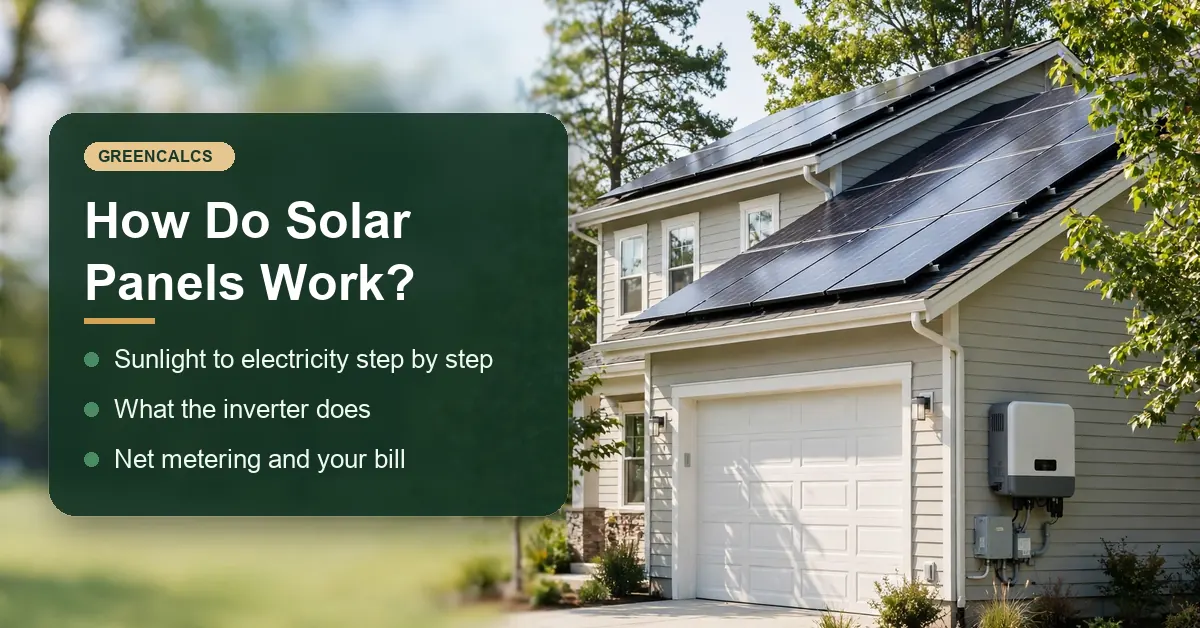
Understanding how solar panels work starts with separating generation, conversion, and storage. Panels generate electricity, an inverter makes it usable by household circuits, and a battery stores energy for later. Your utility connection supplies electricity when solar production falls short.
Reviewed by Sarah Chen, energy analyst
How do solar panels work step by step?
Solar panels absorb energy from sunlight and produce an electrical current. That current passes through an inverter before supplying ordinary household appliances.
The process follows this path:
Sunlight → photovoltaic cells → direct current → inverter → alternating current → household circuits
- Sunlight reaches the cells. Light carries energy that a cell's semiconductor material can absorb.
- Electrical charges move. The cell's internal electric field helps direct those charges, allowing current to flow through an external circuit.
- The panel supplies electricity. Conductive contacts collect the current, and electrical connections carry it into the solar system.
- The inverter converts the output. It changes direct current, or DC, into alternating current, or AC.
- Your system distributes the energy. Electricity serves household demand, charges a compatible battery, or is exported where the system and utility allow it.
This conversion happens without burning fuel or spinning a turbine inside the panel. Rooftop photovoltaic systems convert light directly into electricity. Other solar technologies collect heat, which is a different process.
How do solar panels generate electricity inside a cell?
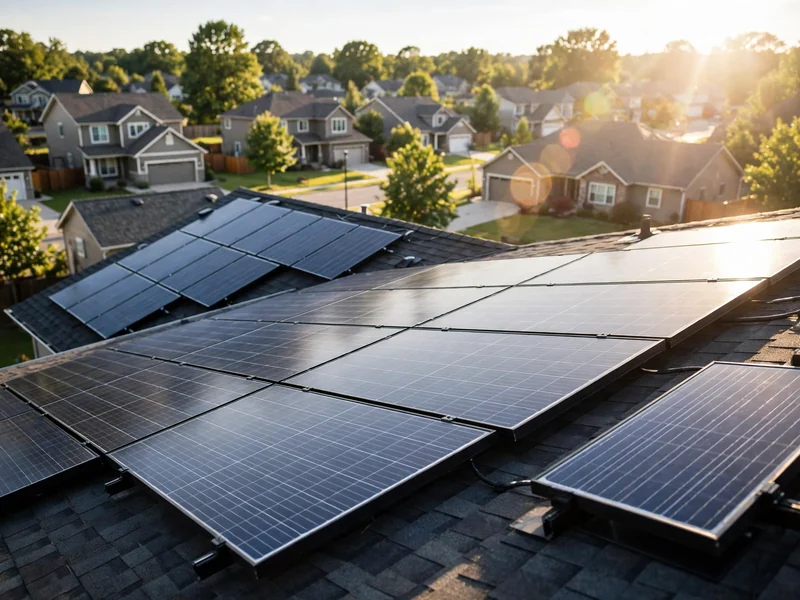
Photovoltaic cells generate electricity when absorbed light transfers energy to electrons in a semiconductor. An internal electric field helps separate electrical charges, and connected conductors provide a path for current.
Silicon is the most common semiconductor used in solar cells. When sunlight reaches the material, some light is reflected, some passes through, and some is absorbed. The absorbed energy is what makes electricity generation possible.
Metal contacts collect the current. Connecting those contacts through an external circuit lets electrical energy do useful work, such as powering a device or charging a battery.
What is the difference between a cell, a panel, and an array?
A solar cell is the electricity producing component. Cells are connected and packaged into a panel, also called a module. Connected panels form an array.
The terms photovoltaic panels, PV panels, and solar electric panels describe the same basic technology. Adding panels expands the array, while the inverter, wiring, mounting equipment, and other components complete the system.
Solar farms use the same photovoltaic principle as rooftop arrays. Their size and electrical connections differ, but their cells still convert absorbed sunlight into electricity.
How do solar panels work on a house?
Home solar connects an array and inverter to the home's electrical system so solar generation can supply household demand. A home connected to the utility grid can also draw electricity from the grid when solar generation is insufficient.
The main components have distinct jobs:
Panels
generate DC electricity from sunlight.
Mounting equipment
supports and secures the array.
An inverter
converts DC electricity into AC electricity.
Wiring and protective equipment
connect the system and provide electrical protection.
A utility meter
records electricity exchanged with the grid.
An optional battery
stores energy for later use.
A string inverter handles electricity from connected groups of panels. Microinverters convert electricity at individual panels. Both perform the essential DC to AC conversion. For the equipment comparison, read our guide to solar microinverters and string inverters.
What happens as household demand changes?
Consider a home running a refrigerator and computer while its panels receive strong sunlight. Solar generation can supply those loads, with surplus available for storage or export.
If an additional appliance raises demand above current solar output, the grid supplies the difference. You generally do not need to switch appliances between solar power and utility power manually.
After sunset, the home draws from the grid or a charged battery, according to its configuration. The panels themselves do not store the day's electricity.
Before choosing equipment, check whether your roof is suitable for solar. Available space, shading, orientation, and roof condition affect the installation plan.
How do solar panels work with your electric bill?
Solar panels reduce electricity purchases when your home uses their output directly. Exported electricity may earn credits, but the credit rules and remaining charges depend on your utility's tariff.
Keep these flows separate when reading a proposal:
- Solar generation is all the electricity your system produces.
- Direct use is solar electricity consumed at home as it is generated.
- Imports are electricity purchased from the grid.
- Exports are electricity sent from your system to the grid.
Your utility meter generally records imports and exports rather than all solar production. Electricity used directly at home does not pass out to the grid. That is why the export amount on a utility statement can be lower than the generation shown by your inverter.
Net metering is a billing arrangement, not a physical battery. Its availability and compensation rules vary. Do not assume exported electricity receives the same value as electricity you buy.
Read how solar net metering works before using export credits in a savings estimate. Ask your utility which tariff applies, how credits are calculated, and which charges remain payable.
Solar also does not automatically eliminate a bill. Fixed charges may remain, and imports can continue whenever household demand exceeds available solar and battery output. A proposal should explain both the energy balance and the billing assumptions.
What affects how much electricity solar panels produce?
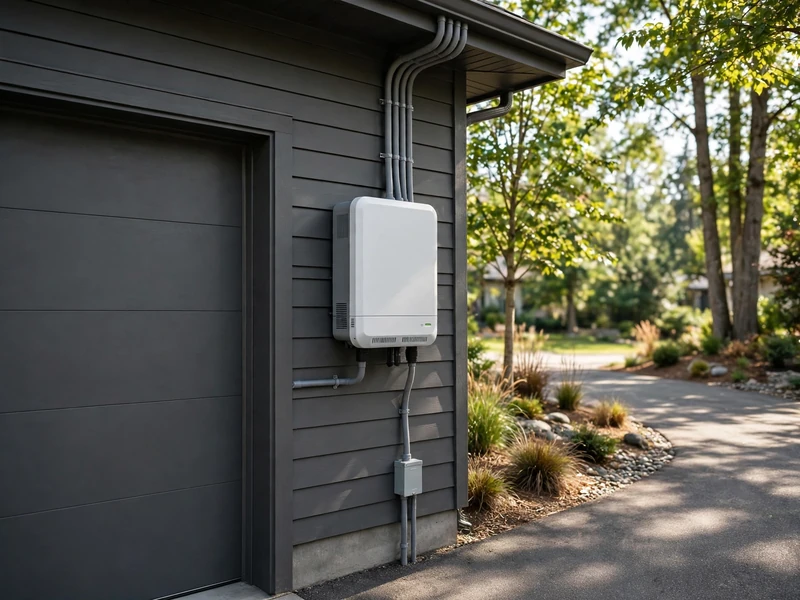
Solar output depends on sunlight reaching the cells and the system's operating conditions. Location, weather, shading, panel direction, tilt, and equipment performance all affect actual production.
Clouds reduce available sunlight, while trees, nearby buildings, dirt, and debris can obstruct it. Conditions change throughout the day and across seasons, so a snapshot of current output does not describe annual generation.
Panel efficiency describes how effectively a panel converts incoming light into electrical power. It does not tell you how much electricity a particular roof will produce over a year.
Do solar panels need hot weather?
Solar panels need light to generate electricity. They can operate in cold weather, and solar cells generally convert sunlight more efficiently at lower temperatures. Strong sunlight and cool conditions can therefore support good production, while a hotter day does not automatically mean higher output.
What do kW and kWh mean?
Kilowatts, written as kW, describe power or generating capacity. Kilowatt hours, written as kWh, describe energy produced or consumed over time.
A panel's advertised wattage is a rating under standard test conditions. It is not a promise that the panel will maintain that output throughout daylight hours.
When reviewing a proposal, ask for expected energy generation in kWh, alongside the system's capacity in kW. Ask how the estimate accounts for your location, roof layout, and shade.
Generating ability also declines gradually as panels age. Our guide to solar panel lifespan and return on investment explains why aging belongs in a longer term savings estimate.
How do I know if my solar panels are working?
Check the inverter display or monitoring app for generation, system status, and fault messages during daylight. Compare production over time with expected performance rather than judging the system from your electricity bill alone.
Start with these checks:
- Confirm that the display is showing current information.
- Look at energy generated during the day and across comparable periods.
- Review any inverter alerts or error codes.
- Check whether the monitoring connection is working.
- Compare unexpected changes with weather and visible shading.
Monitoring capabilities vary. Some systems show total array production; others provide information about individual panels, household consumption, battery activity, or grid exchanges.
A lower export reading does not necessarily mean generation has fallen. Your household may simply be using more solar electricity before it reaches the utility meter.
If production remains unexpectedly low, save the monitoring history and contact the installer with the dates and fault messages. Ask them to distinguish a generation problem from missing monitoring data.
Which solar calculator should you use next?
Use a calculator that matches your next decision, such as estimating payback, evaluating a loan, or considering storage. Begin with a site specific generation estimate and your utility's actual billing rules.
For sizing, follow our guide to how many solar panels you need. Gather your electricity use in kWh, available roof information, and any planned changes in household electricity demand.
Then choose the relevant next step:
- Use the solar payback calculator to explore the estimated time needed to recover the installation cost.
- Use the solar ROI calculator when evaluating the investment over time.
- Use the solar loan calculator when borrowing is part of the purchase.
- Use the solar battery calculator when storage is part of your proposed system.
Read the assumptions behind each result. A financial estimate and a roof specific production estimate answer different questions, so compare them before treating a proposal's projected savings as achievable.